top of page


All Posts


The Language of Rhythm: Free Drumming Classes in South San Francisco with Pedro Gomez
Culture isn’t something you preserve; it’s something you share. Meet master drummer Pedro Gomez at Cultura Fest! With 25+ years studying Afro-Cuban, Brazilian, and Latin rhythms, Pedro proves drumming is a universal language. Forget music theory or auditions—rhythm is just a call-and-response conversation open to all. Join his free, inclusive community workshops in South San Francisco. No experience needed—just bring a playful spirit, step into the circle, and find your rhyth
Ricardo Archila
2 days ago3 min read


The Salvi Renaissance Is Strong: A Night Celebrating Salvadoran Creativity
Curtido TV’s first-ever Salvadoran Awards Night brought together generations of Salvadoran artists, creators, organizers, and cultural leaders—and offered a powerful snapshot of the Salvi Renaissance. For Ricardo Archila, the night was personal: after years of documenting and collaborating with many of those in the room, he found himself standing alongside people who once inspired him. From Crooked Stilo to the next generation of Salvadoran creatives, the evening reflected a

Raymundo Archila
3 days ago3 min read


Lil June Afro Punta: The Garifuna Artist Bringing Punta Music to New Audiences
Lil June Afro Punta is the Garifuna artist redefining punta music for new audiences. Learn his story, his roots in Honduras and Belize, and his mission to carry the culture forward.
Ricardo Archila
Jun 262 min read


Francisco "Twick" Aquino
Artist Statement "My destiny chose me through a spray can. Over the last forty years, I’ve watched the Bay Area's landscape shift, but my mission has remained the same: to show the youth that graffiti isn't just about writing your name on a wall—it is a powerful tool to carry a message, claim your space, and heal a community." Biography Francisco “Twick” Aquino is a legendary Salvadoran-American graffiti artist and muralist who has spent over four decades serving as a vital p
Ricardo Archila
Jun 42 min read


Following the Smoke: Inside Popoca, A Wood-Fired Salvadoran Restaurant in Uptown Oakland
Popoca in the heart of Uptown Oakland, photo by Eric Valle If you’ve walked through Uptown Oakland and caught a scent of woodsmoke that feels like a memory you can’t place, you might have already found Popoca. Founded by Chef Anthony Salguero, Popoca is a modern tribute to his Central American heritage, shaped through the perspective of a Bay Area upbringing and fine-dining precision. As a premier Salvadoran restaurant Uptown Oakland locals and critics alike have championed,
Ricardo Archila
May 13 min read


Crooked Stilo and Hermanos Flores, Two Generations, One Sound The Evolution-Of Salvadoran Music
There’s something powerful about witnessing a cultural lineage unfold in real time—where the echoes of the past meet the voice of the present. In Salvadoran music, that bridge is embodied by Hermanos Flores and Crooked Stilo. Together, they represent the past, present, and future of Salvadoran pride. The Foundation: Hermanos Flores Cumbia Sound That Defined Generations For decades, Hermanos Flores have been more than a band—they are a cultural institution. Their music travele
Ricardo Archila
Apr 252 min read


A Night of Laughter and Culture: Cultura Fest Comedy Show Recap featuring Hoozay
Salvadoran-American comedian Hoozay began his journey with a vision: to share his culture through comedy. In the early days, that vision came to life through his comedy shows—where pupusas were served, beers were shared, and laughter filled backyard spaces. Those shows became performances rooted in culture, community, and connection. What started in those backyard comedy shows has since evolved into something powerful. Today, Hoozay travels across the world, creating spaces w
Ricardo Archila
Apr 192 min read
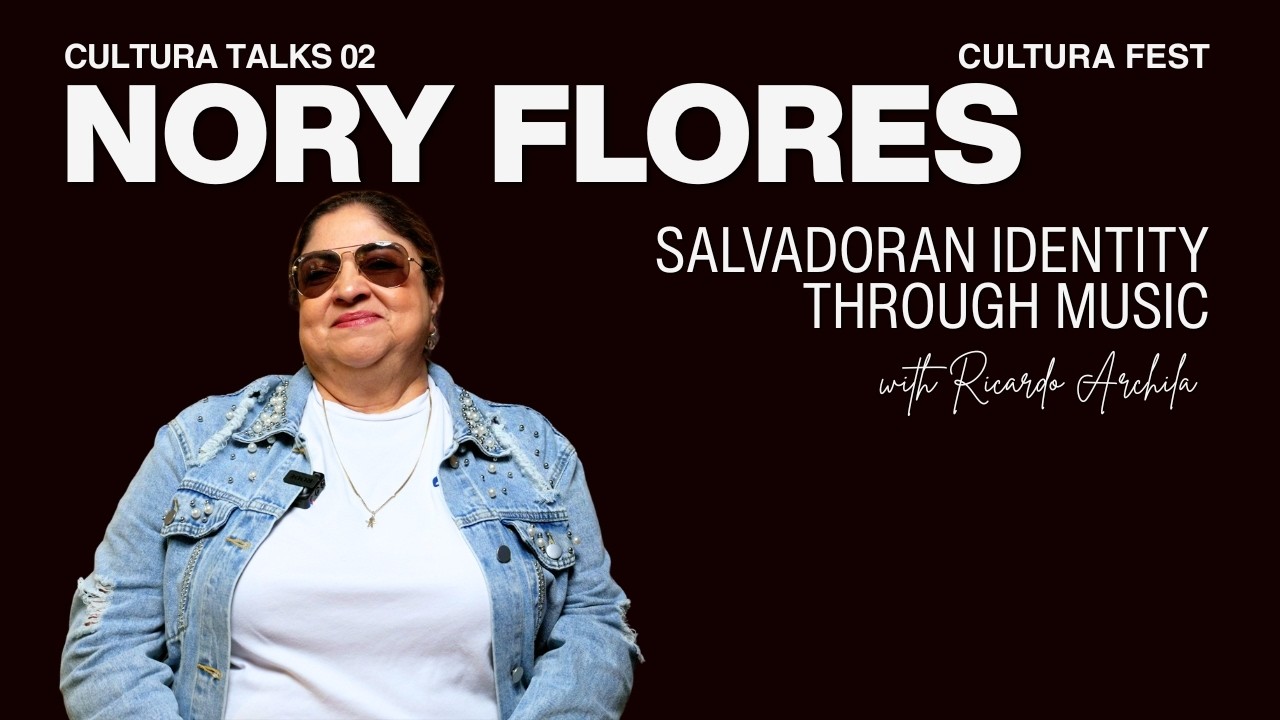
Hermanos Flores the Soundtrack of a Nation: Nory Flores on Making Coachella 2026 History
Seeing the Salvadoran sound on one of the world’s most influential stages was more than just a win for the band—it was a win for the entire culture. It was a global validation of our heritage. A message to every Salvadoran that our rhythms belong on the world’s biggest stages.
Ricardo Archila
Apr 182 min read


A Full-Circle Moment at Coachella: Hermanos Flores and a New Chapter for Salvadoran Culture
There are moments in life that feel bigger than themselves—moments that carry history, memory, and identity all at once. Watching Hermanos Flores take the stage at Coachella Valley Music and Arts Festival was one of those moments. It was emotional in a way that’s hard to fully put into words. For so many of us, their music didn’t start on a big stage—it started at home. In living rooms filled with family, at parties where generations came together, their songs became the soun
Ricardo Archila
Apr 132 min read
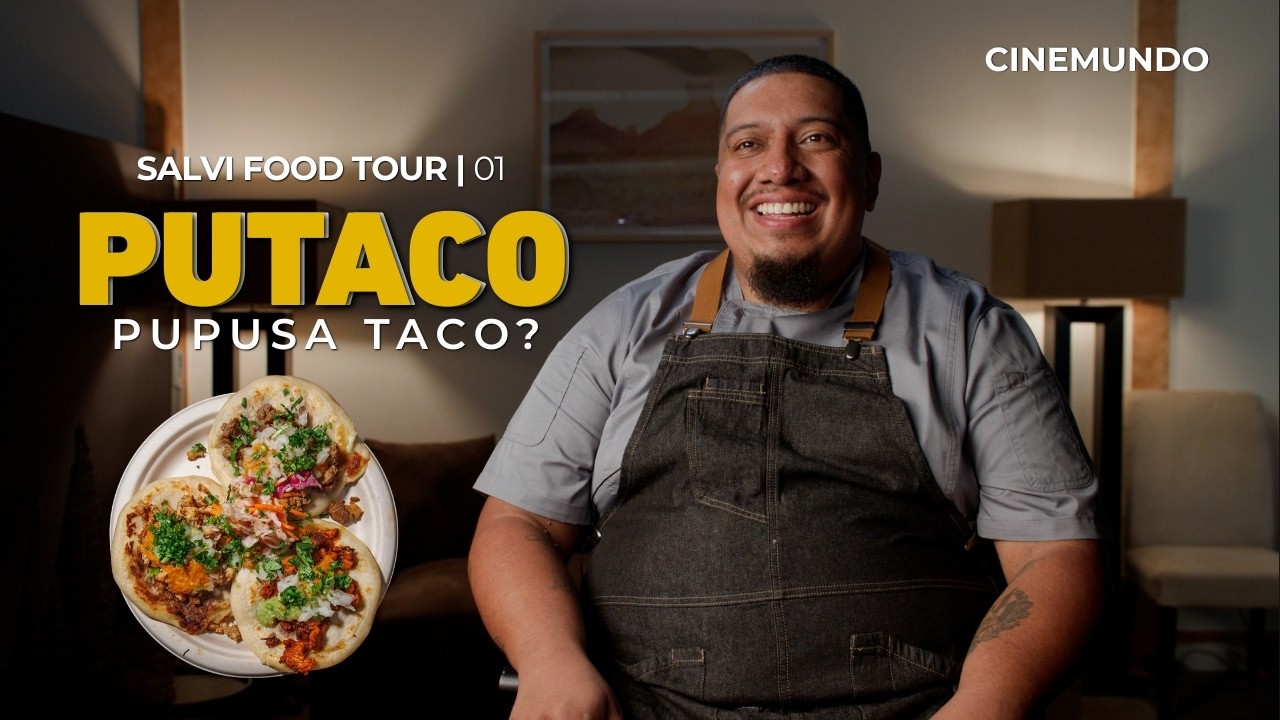
Bayuncos & The Putaco: Salvadoran Taco Fusion & Identity
Putacos caught my attention the moment I heard the name. It was jarring, funny, and immediately familiar. A Putaco is exactly what it sounds like — a half-pupusa, half-taco. Two national dishes. Two cultures. One unapologetic collision. I discovered Bayuncos through Hoozay, like many of the stories featured in The Salvi Food Tour . When I met Chef Carlos Moran, it wasn’t just the concept that stood out — it was his energy. He didn’t shy away from criticism, he welcomed it. Lo
Raymundo Archila
Apr 12 min read


The Salvi Food Tour: A Love Letter Written in Food
What the project revealed is that Salvadoran food is a diverse spectrum. It is fermentation and home brewing, street snacks and fine dining. I filmed "disruptors" who refuse to wait for permission. Chef Carlos Moran’s Putacos—a pupusa-taco hybrid—felt blasphemous to some and perfectly honest to others: a lived metaphor for bicultural life. In Oakland, chef Anthony Salguero at Popoca married ancestral wood-fire to French technique. These creators are building community, challe
Raymundo Archila
Mar 273 min read


The Hybrid Heart: The Journey to Cultura Fest
At home, I was Salvadoran—surrounded by music, food, stories, and pride.Outside, I was something else—Mexican, American, or invisible. I was born in Canoga Park and grew up in an apartment building in Van Nuys in the 80s and 90s. My parents migrated from El Salvador in 1982, at the height of the war. In Los Angeles, the Mexican community was the largest Latino presence, and I didn’t have much extended family nearby. Our neighbors became our family—one big, shared community. I
Ricardo Archila
Mar 194 min read
bottom of page