


The Salvi Renaissance Is Strong: A Night Celebrating Salvadoran Creativity

This past weekend, Curtido TV hosted its first-ever Salvadoran Awards Night, an event created and hosted by Hoozay.

For me, this night was deeply personal. I've spent years filming, interviewing, working alongside, and highlighting many of the creators in that room—through my own independent media projects, through Cultura Fest, and through years of content creation with Hoozay and Curtido TV.
Instead of standing behind the camera documenting everyone else, I stood on the stage alongside them. That transition felt surreal.

Looking around the theater, the energy was undeniable. Generations of Salvadoran talent, organizers, and visionaries were represented in a single space. These weren't strangers coming together for trophies; many of us have supported each other behind the scenes for years—sharing cameras, cross-promoting opportunities, and watching each other grow. For one night, those individual journeys converged.
The People Redefining Salvadoran Representation
Growing up as a Salvadoran American, mainstream media rarely offered examples of what someone like me could achieve.
That’s why seeing Crooked Stilo on national television mattered so much. I remember watching them on Pepsi Músicaand Don Francisco as a kid. Years later, I had the honor of directing a music video for them, collaborating on projects, and watching them perform on the stage at Coachella. Standing alongside them at the Salvadoran Awards Night brought that journey full circle.
The event brought together an incredible lineup of trailblazers, including:
Hoozay & La Tencha (Comedy & Media)
Crooked Stilo & Feefa (Music & Hip-Hop)
Sergio & Los Llanteros 503 (Digital Content & Entertainment)
Daizy-Lyn and Alex Narváez of Grayscale (Visual Arts & Media)
Norma Roque of Born to Give Foundation & AFJA (Community Organizing & Philanthropy)
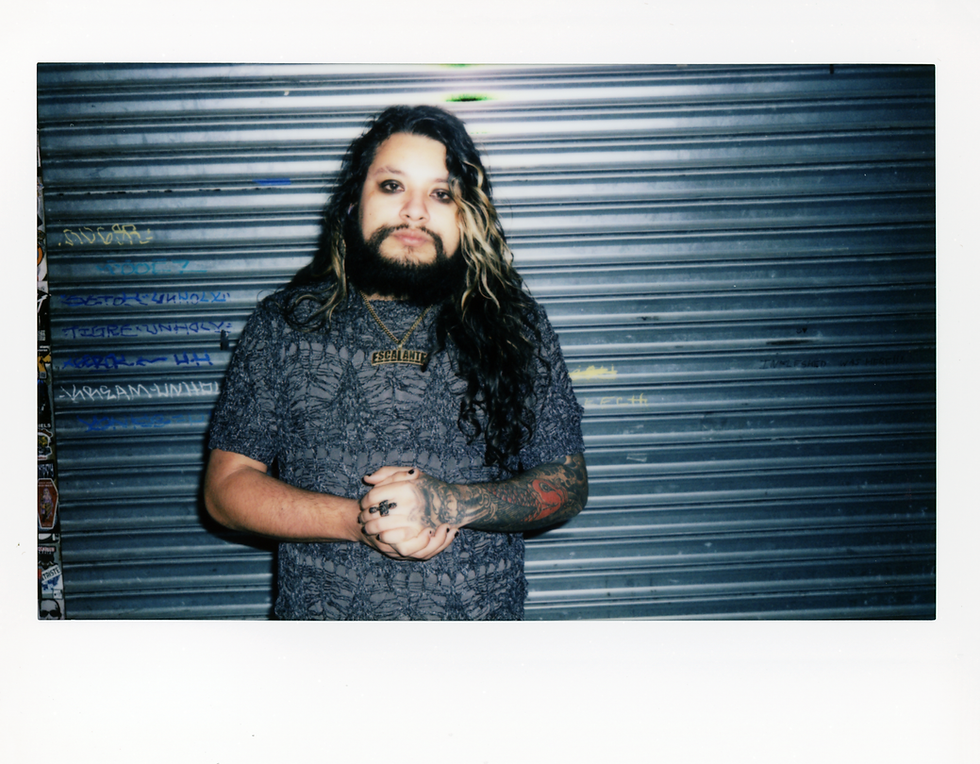
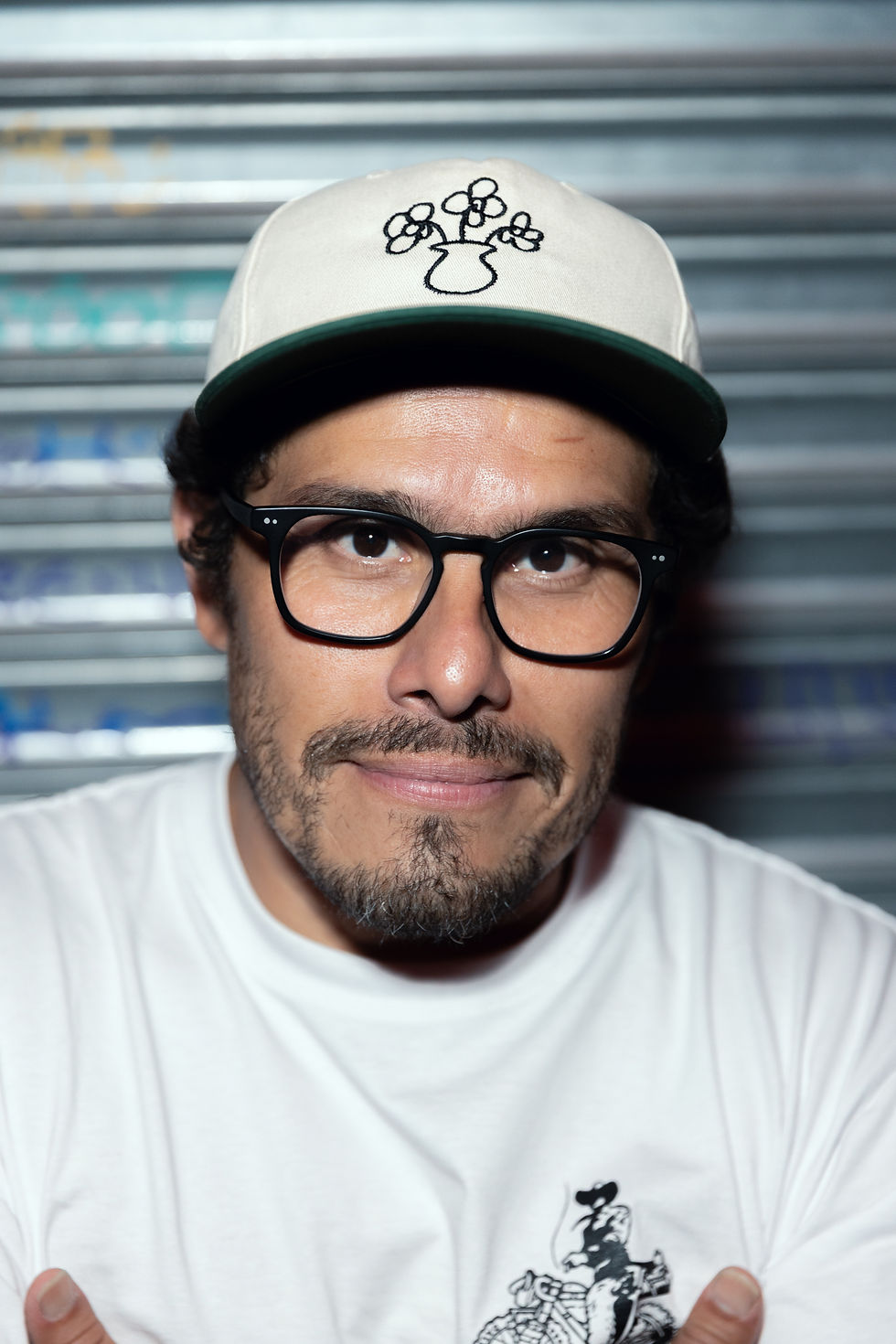
Hoozay, La Tencha, and Sergio Los Llanteros Diazy-Lyn
Salvadoran culture isn't monolithic. Whether through filmmaking, gastronomy, comedy, music, or grassroots organizing, every creator in that room proves there is no single way to be Salvadoran.
The Salvi Renaissance: Connecting the Diaspora and the Motherland
The Salvi Renaissance represents a pivotal cultural movement—a moment where Salvadorans throughout the diaspora are reclaiming identity, pushing creative boundaries, and expanding global perceptions of our heritage.
This evolution isn't happening solely in major US diaspora hubs like Los Angeles, Washington D.C., or New York. El Salvador is evolving in tandem.
That connection was front and center during the event when we premiered the El Xolo episode of Salvi Food Tour.

Featured in the episode are Chef Alex Herrera and Gracia Navarro, who are leading a movement in modern Salvadoran gastronomy focused on technique, culinary experimentation, and indigenous ingredients.
“Our culture cannot exist only as nostalgia for the El Salvador our parents left behind. El Salvador has changed—and so have we.”
For years, Salvi Food Tour lived primarily on screens—measured in metrics, comments, and digital shares. Watching the El Xolo episode on a big screen surrounded by a live Salvadoran audience changed everything. Hearing real-time reactions, laughs, and emotional resonance brought years of independent filmmaking into sharp focus.
Moving Beyond Cultural Nostalgia
For decades, the Salvadoran-American narrative rightly focused on immigration, displacement, and preserving the traditions our families brought with them. While honoring that history remains essential, diaspora culture cannot rely strictly on nostalgia.
Salvadorans in the diaspora constantly integrate local influences, blend genres, re-evaluate traditions, and introduce new aesthetics to the global conversation. At the same time, creators inside El Salvador are reshaping the culture in their own ways.
This evolution doesn't erase traditional Salvadoran roots—it proves our culture is dynamic and thriving.
The Salvadoran Awards Night proved that legacy acts like Crooked Stilo and emerging filmmakers, chefs, and community organizers can share the same platform without debate over "authentic" representation. All of it belongs.
Documenting Salvadoran History in Real Time
What stood out most wasn't personal recognition—it was the mutual support in the room. Veterans who spent 10 to 20 years building platforms when Salvadoran content was ignored were cheered on by the new generation they inspired.
This environment reinforces why platforms like Cultura Fest and projects like Salvi Food Tour exist: We must document the Salvadoran story in real time.
Somewhere along the way, the people I watched became people I worked with. The people I documented became collaborators. And some of the people who influenced me became my peers.
I don't take that lightly.
The Salvi Renaissance isn't driven by a single artist, chef, or organization. It is a collective movement of creators pushing the culture forward simultaneously.
Though many of us have been grinding for decades, it feels like this movement is just getting started.
The Salvi Renaissance is strong. And it's only going to get stronger from here.

Comments