


Growing Up Between Three Worlds: Salvadoran American Identity and A Hybrid
For a long time, I didn’t think much about what it meant to be Salvadoran.
I knew I was Salvadoran. I knew where my parents came from. I went to El Salvador. I ate Salvadoran food. I heard the music. I knew the family stories.
I was just me.
Looking back, I realize I was growing up between three worlds: American, Salvadoran, and the Mexican-American culture that surrounded me.
My brother Ray grew up with a very different version of that experience.
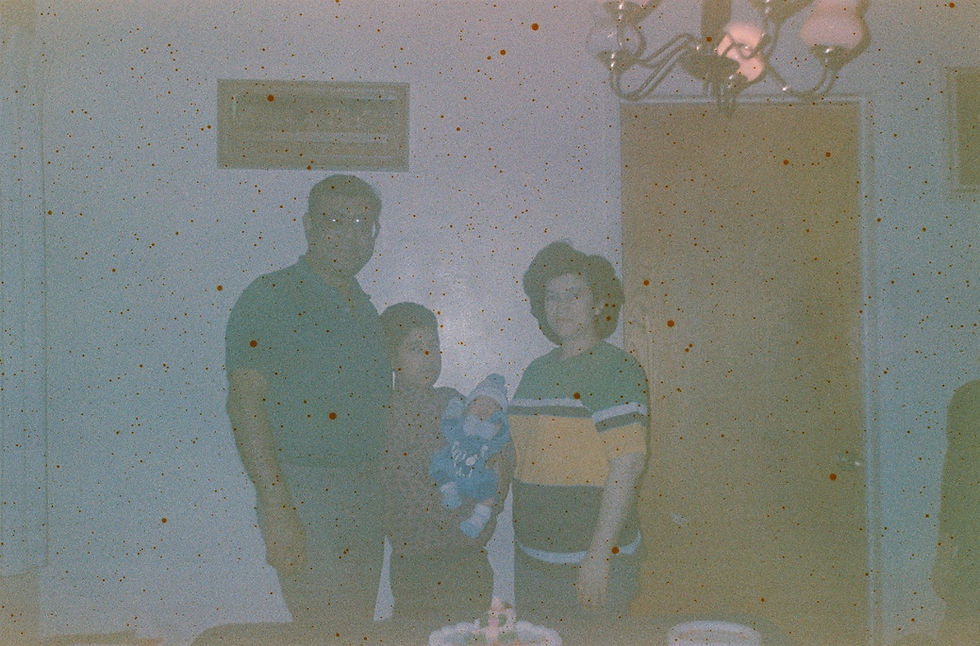
Two Brothers, Two Different Upbringings: Navigating Salvadoran American Identity
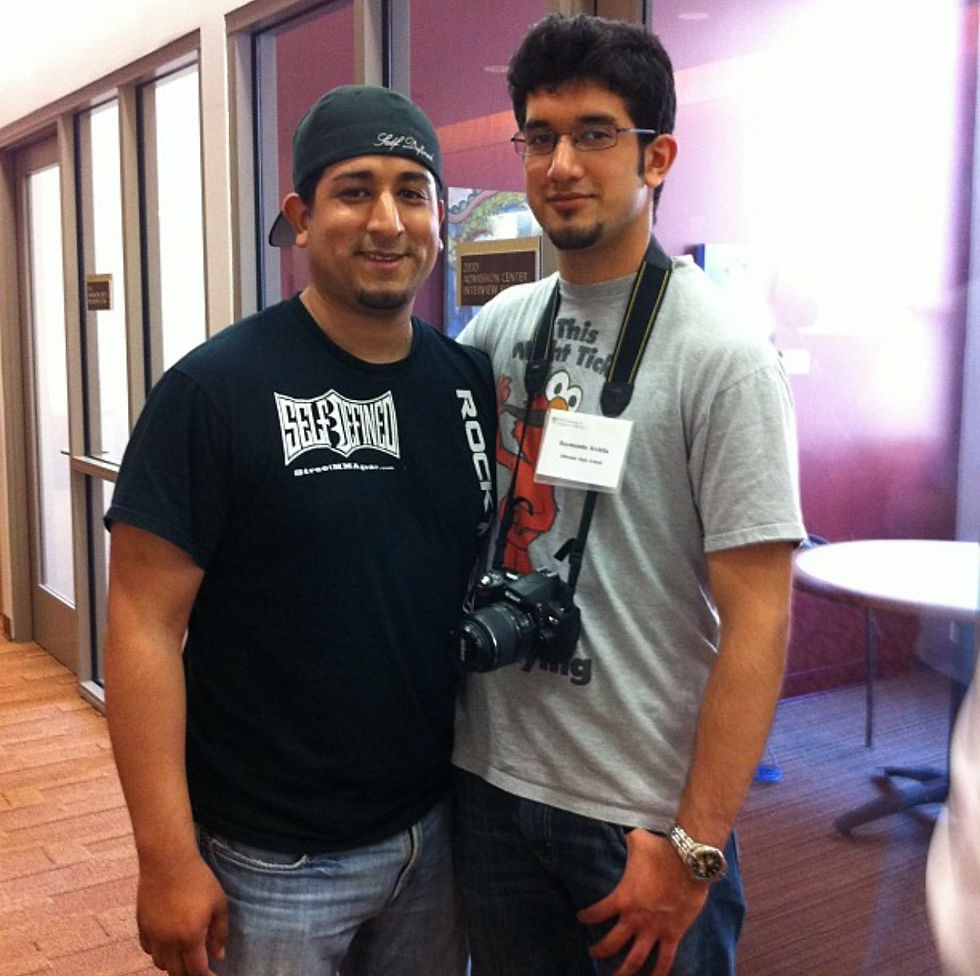
Ray grew up in San Carlos, years after I had grown up in Van Nuys.
The difference was significant.
I grew up in an area where Latino culture was part of everyday life. Ray grew up in San Carlos, which was predominantly Caucasian and Asian, with very little Latino representation.
Even though we had the same parents and the same Salvadoran roots, the world around us was different.
Our parents had come to the United States in the 1980s as new immigrants, fleeing the war in El Salvador. Their connections back home were often through family and community. Neighborhood parties became a way for them to stay connected—to other Salvadorans, to the music, and to the culture they had left behind.
That was the world I grew up around.
“Mom, Am I Mexican?”
Ray has a story that says a lot about what his experience was like.
When he was about five or six, he was at the library with a friend.
His friend’s mom asked him what he was.
“I’m American.”
She kept asking.
What else?
He didn’t know.
He eventually went home crying and asked our mom:
“Mom, am I Mexican?”
And she answered:
“No, hijo. Te llevo a El Salvador cada año. Sos salvadoreño.”
Our mom took us to El Salvador every year.
August was when we went for Las Fiestas de Agosto.
Family. Food. Beaches. Time with relatives.
El Salvador was part of our lives.
For Ray, growing up in San Carlos meant he didn’t have the same Salvadoran or Latino presence around him that I experienced growing up in Van Nuys.

There was another layer to growing up between these worlds.
At home, our parents wanted us to understand that we were American. They had come to the United States to build a life here, and they wanted us to embrace the opportunities that came with it.
But when we went to El Salvador, we were the Americans.
People heard the way we talked, noticed the way we dressed, and knew we had grown up in the United States. We were Salvadoran, but we were also seen as different.
And in the United States, we were seen as Latino, often assumed to be Mexican.
So there was this strange space between the two.
In El Salvador, we were the Americans. In the United States, we were often assumed to be Mexican. But we were Salvadoran.
Growing Up Around Other Influences
I grew up in Van Nuys surrounded by Mexican culture. It was part of everyday life. But Mexican-American culture wasn’t the only influence.
Culture evolves from what you inherit from your family to the cultures around you.
Salvadoran culture was what I inherited from my family. Mexican-American culture was part of the environment I grew up in, while music, movies, television, friends, neighborhoods, and the different cultures I encountered along the way also shaped me.
Those influences found their way into the music I listened to, the way I dressed, the way I talked, the food I ate, and the things I became interested in.
They didn't replace what I inherited. They became part of it.
Finding a Bigger Salvadoran Community
Ray moved to L.A. to attend USC. It was after college, when he began connecting with the Salvadoran community, that he started discovering more about Salvadoran culture and identity.

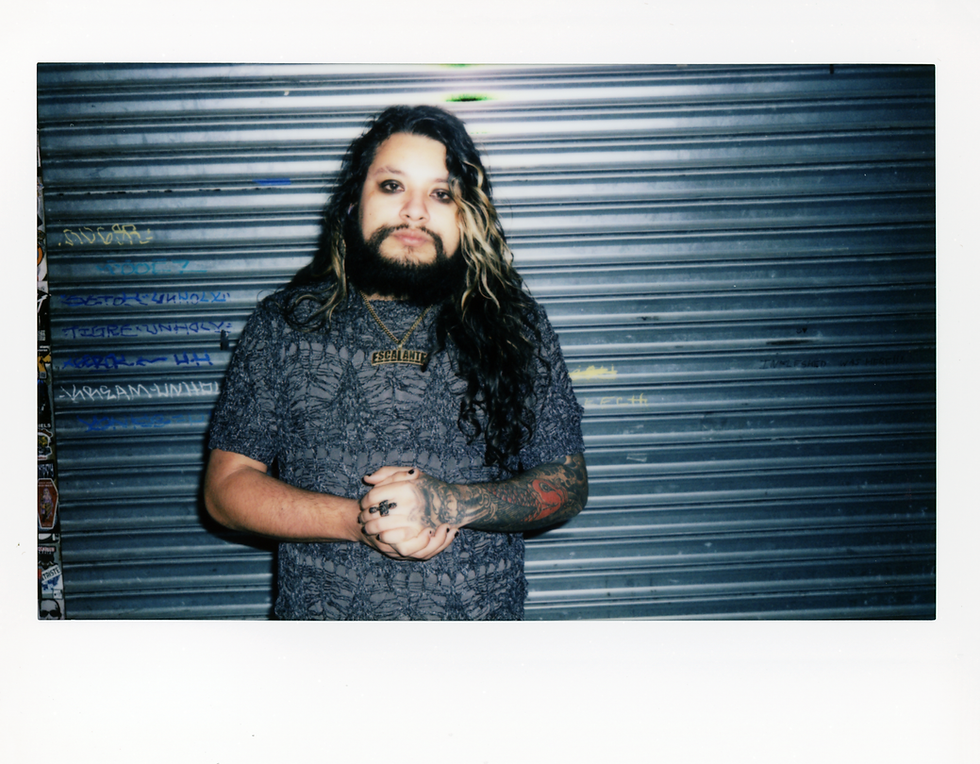
He was meeting people who were doing things to re-highlight Central American culture, including Steven from AFJA, Hoozay through comedy, Tony Escoto, and others.
I watched him make those connections.
At the same time, I was seeing more Salvadoran culture being publicly celebrated in Los Angeles—heritage nights at Dodger Stadium and the A’s stadium, comedy shows, and other events bringing Salvadorans together.
Seeing all of that made me want to reconnect with Salvadoran culture in my own way.
I wanted to meet local Salvadoran artists, musicians, chefs, and other creatives. I started wondering: Was there a community here that I didn’t know about? What else was out there? What history and contributions had Salvadorans and Central Americans made in the United States that I hadn’t learned about?
I decided I wanted to host a big event that brought Salvadorans together and gave us a chance to see what was happening in our own community.
I wanted to showcase the hybrid heart—the idea that Salvadoran identity could include everything we inherited from our families while also reflecting the American culture and other influences we grew up with.
Looking for Salvadoran Culture Around Me
That’s when I started searching.
I began meeting Salvadoran artists, chefs, and other creatives and discovering people I hadn’t known about before.
One of the first artists I connected with was Josué Rojas.
I had tried reaching out to him, but couldn’t get a response. When I found out he was having a solo gallery show, I went, and I finally got to meet him.
The show was Central American Pie. It explored Americana through Josué’s Bay Area upbringing, while also incorporating Salvadoran symbols and references throughout the work.
That combination caught my attention.
Pupusa Face was one of the pieces that stood out to me. It was a personification of a pupusa, connecting something so familiar from Salvadoran culture to contemporary art.
Josué was taking the culture he grew up with and placing it within the American experience he knew.
I encountered Twick later at the Excelsior Salvadoran Festival, where he was part of a panel. I got to talk with him, and he gave us a walking tour of some of his murals.
Seeing the work of both artists gave me another perspective on how Salvadoran and Central American identity could show up in contemporary art.
Rediscovering Crooked Stilo
Music was part of that journey too.
I had known about Crooked Stilo before. But as I started looking deeper into Salvadoran culture again, I rediscovered their music and what they represented.
At a time when being Salvadoran wasn’t necessarily popular, they were openly Salvadoran-American and putting that identity into their music.
They showed people that you could represent where you came from.
Looking back at their work later, I understood their impact differently. They had inspired Salvadorans during their era.
A Hybrid Heart
I don’t think reconnecting with Salvadoran culture means rejecting everything else that shaped me.
Quite the opposite.
I’m American.
I’m Salvadoran.
And I’m also shaped by the Mexican-American culture I grew up around, along with the music, art, pop culture, people, and other cultures that became part of my life.
I can love pupusas and pozole.
My Spanish can carry different influences.
The music I love can come from different places.
The art that speaks to me can come from different cultures.
All of those things can exist together.
What We Do With What We Inherit
Maybe that’s why culture has become such an important part of what I do now.
I’m interested in what happens when we take what we inherited and make something new with it. That’s what I saw in the art. It’s what I see in music. It’s what I see happening with food. And it’s what I see happening across different communities.
People are taking the cultures their families gave them and figuring out what those cultures look like in the places where they live now.
That’s the part that excites me.
Because I spent a lot of my life moving between different worlds without really having a name for it.
When I was younger, I was just me. I didn’t think about where one influence ended and another began. They were all just part of my life.
Now I understand that those worlds didn’t have to compete with each other.
The Salvadoran culture I inherited from my family. The Mexican-American culture I grew up around. The music, art, pop culture, and other cultures that influenced me. The American experience that shaped the life I was building.
They all became part of me. I didn’t have a name for it then. Now I do.
A hybrid heart.

Comments